Hand In Hand — HIV Prevention & Alzheimer's Prevention?
Could Your Daily PrEP Pill Be Secretly Protecting Your Brain from Alzheimer's?
An Unexpected Double Benefit for Men Who Have Sex with Men with a Family History of Dementia
Imagine taking a pill every day to protect yourself from HIV—and it might also be shielding your brain from one of the most feared diseases of aging: Alzheimer's.
Sounds intriguing? It's based on emerging research from 2025 uncovering a surprising link between certain HIV medications and a lower risk of developing Alzheimer's disease (AD). For men who have sex with men (MSM) using modern PrEP like Descovy (emtricitabine + tenofovir alafenamide, or TAF), this could mean a potential "double benefit"—especially if Alzheimer's runs in your family.
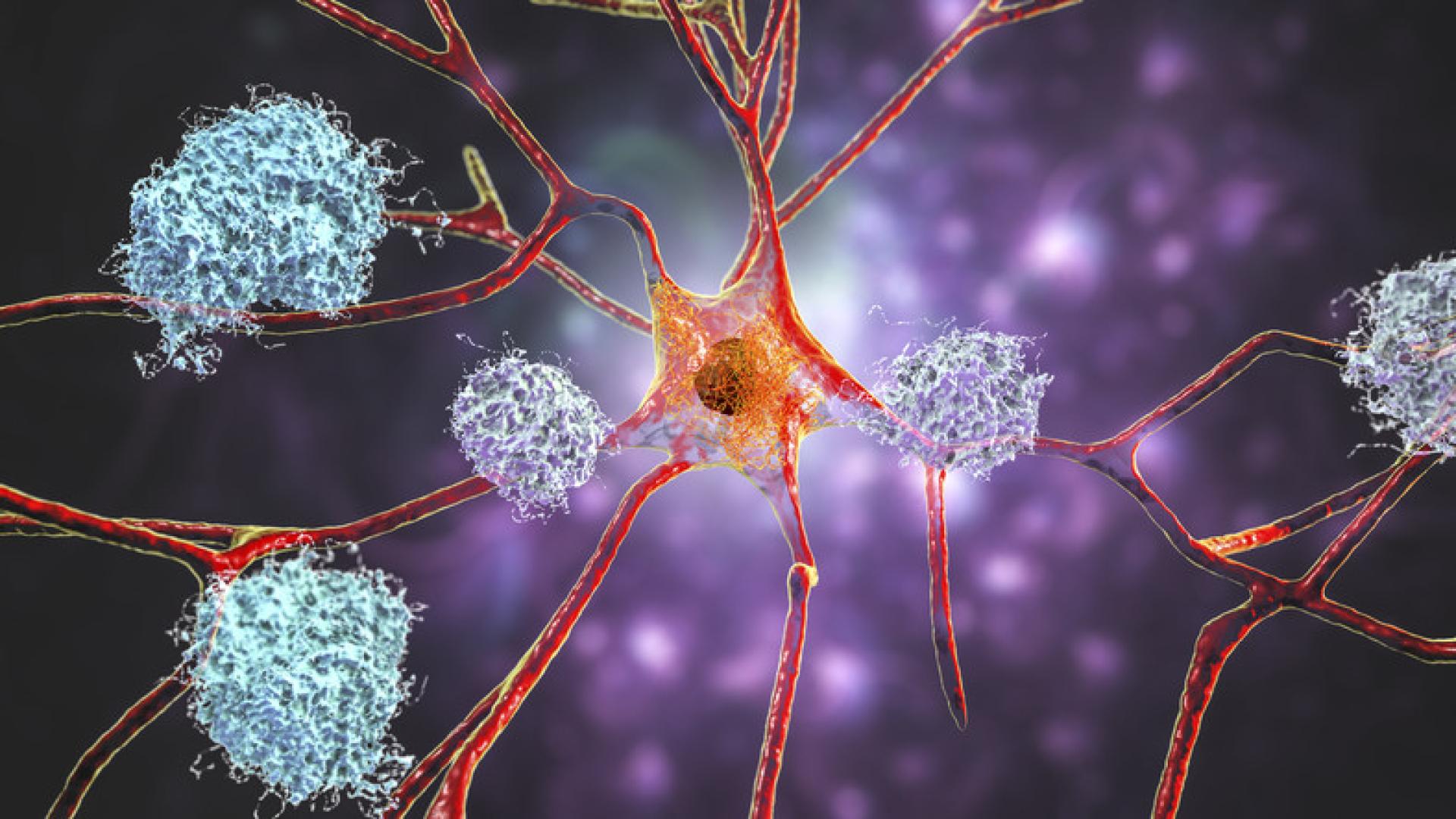
Illustration of brain neurons impacted by Alzheimer's pathology, including plaques and neuroinflammation.
The Surprising Discovery from Large-Scale Studies
A major study published in Alzheimer's & Dementia in 2025 analyzed health records from over 270,000 people aged 50+ treated for HIV or hepatitis B (both often using these drugs). The findings were compelling:
- Each additional year of exposure to nucleoside reverse transcriptase inhibitors (NRTIs)—the class of drugs that forms the backbone of most PrEP regimens—was associated with a 6–13% lower risk of developing Alzheimer's.
- This effect was specific to NRTIs. Other HIV drug classes (like protease inhibitors or integrase inhibitors) showed no similar protection.
- The benefit appeared dose- and time-dependent: longer use correlated with greater potential protection.
These results came from massive U.S. databases (Veterans Affairs and commercial insurance claims), spanning decades and adjusting for factors like age and comorbidities.
Why might this happen? NRTIs seem to have an off-target effect: they inhibit the NLRP3 inflammasome, a key driver of chronic brain inflammation increasingly linked to Alzheimer's progression. This inflammation fuels amyloid plaques and tau tangles, accelerating cognitive decline. By dampening it, NRTIs could interrupt this harmful cycle.
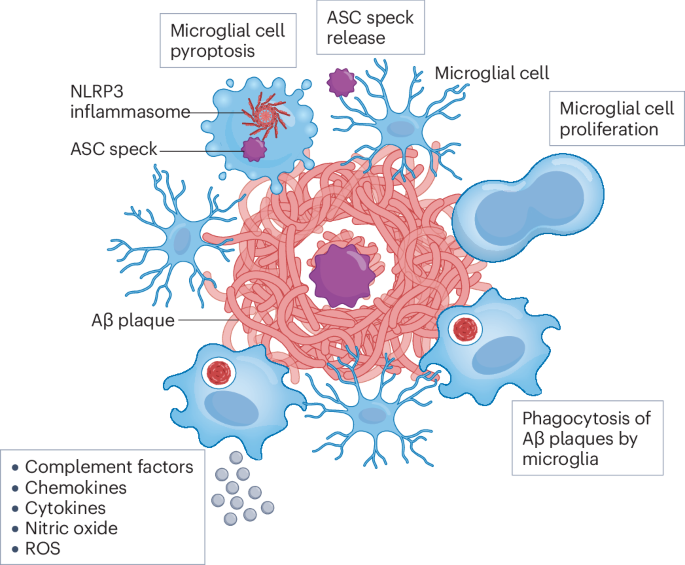
Neuroinflammation pathways implicated in Alzheimer's, including the NLRP3 inflammasome.
Supporting evidence includes animal models where NRTIs reduce brain inflammation and pathology. Early human trials are also promising—a pilot study with the NRTI lamivudine showed trends toward reduced neuroinflammation markers.
What About PrEP and Descovy Specifically?
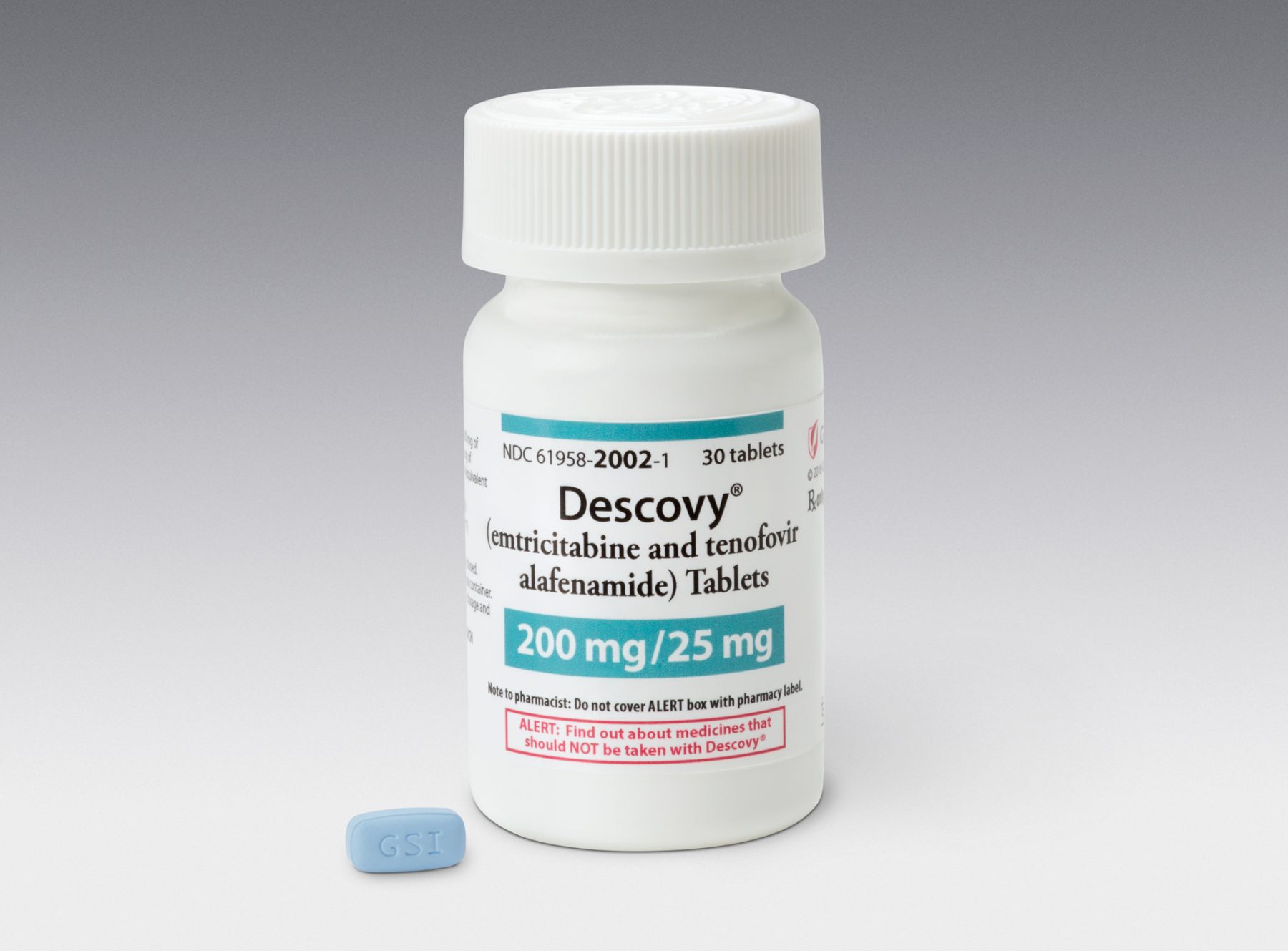
Descovy (emtricitabine/tenofovir alafenamide) bottle—a common PrEP option.
Most modern PrEP regimens use NRTIs: older Truvada or newer Descovy. Descovy is favored by many MSM for its improved bone and kidney safety profile.
The large observational studies primarily involved various NRTIs, including tenofovir-based ones. While they didn't isolate TAF/Descovy specifically (data leaned toward older formulations), the protective signal is tied to the shared class mechanism—inflammasome inhibition.
So, it's reasonable to hypothesize that daily Descovy could share similar off-target brain benefits. If you're on PrEP and have a family history of Alzheimer's (which significantly raises your own risk), this research adds an extra layer of interest: protecting against HIV while potentially supporting long-term brain health.

Conceptual image representing HIV prevention and health protection through PrEP.
Why Isn't This Bigger News Yet?
These are strong observational findings—consistent across huge datasets—but not yet from randomized controlled trials proving causation. Alzheimer's research has long focused on amyloid targets, with inflammation only recently gaining prominence.
NRTIs are affordable generics with established safety in HIV populations, but repurposing requires rigorous trials to confirm benefits vs. any risks.
That said, momentum is building: researchers are calling for RCTs of NRTIs or safer derivatives in Alzheimer's prevention.
The Bottom Line: Intriguing, But Proceed with Caution
If you're on PrEP (like Descovy) with a family history of Alzheimer's, this science might spark some optimism. But remember: PrEP's primary role is HIV prevention—always consult your doctor before making changes.
This highlights the magic of drug repurposing: existing, safe meds could address huge challenges like Alzheimer's (projected to affect millions more in coming decades).
What do you think? Does this fuel hope for inflammation-targeted preventives? Feel free to share thoughts below—science often surprises us!
Sources: Magagnoli et al., Alzheimer's & Dementia (2025); related reviews on NLRP3 and NRTIs.

Comments
Post a Comment